
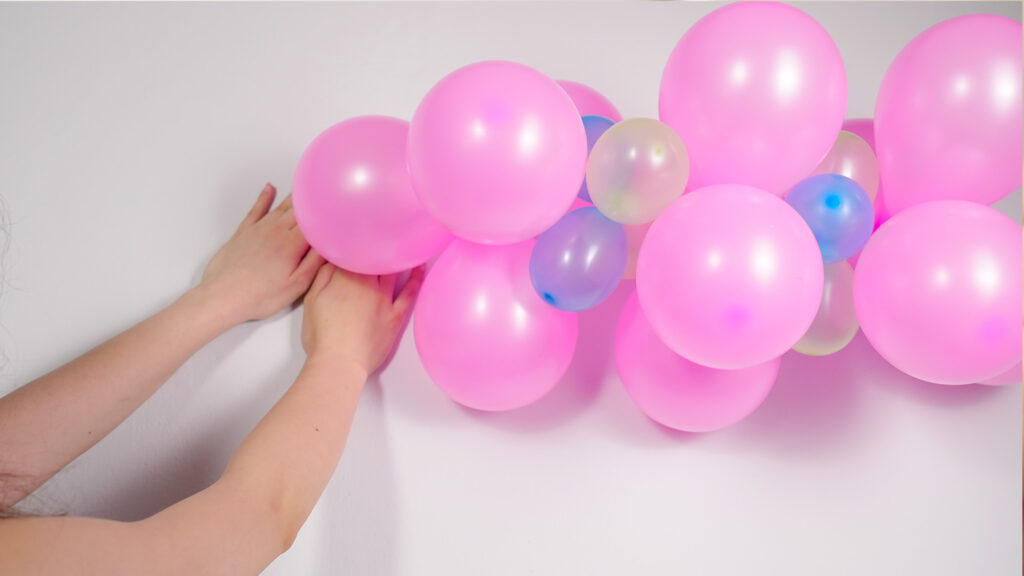
Balloons are considered an important classic decor element at any event. They are a key part of the décor, whether it’s for birthdays, corporate events, baby showers, or weddings. Tying balloons appropriately is a key skill that significantly affects how they are showcased and how long they last.
Most people deal with air leaks, uneven balloon sizes, and slipping knots. However, you can achieve a polished look by using effective techniques and strategies. This blog explains the step-by-step process for tying balloons quickly, securely, and neatly to decorate an event.
Why Proper Balloon Tying Matters?
Tying a balloon looks straightforward but needs to be done the right way. It makes sure that your decorations look elegant and last long. When the balloon is poorly tied, it may blow out, disrupting the overall arrangement.
Some of the key advantages of tying a balloon correctly include:
- Enhances the entire visual appeal of decoration
- Averts air or helium leaks
- Ensures balloons hold air for the long term
- Makes balloon displays more protected and steady
Types of Balloons You Can Tie
Before knowing the process of tying a balloon, it is crucial to get familiar with various types of balloons:
Foil Balloons
These balloons generally have a self-sealing valve that keeps air in. But these balloons also need to be tied or secured with string when shaping for special effects.
Latex Balloons
Latex balloons are stretchy and most commonly used. These balloons are easy to knot and popular for displays.
Modelling Balloons
Modelling balloons are available in various designs and can be used for balloon art. These long balloons need to be tied carefully to prevent them from exploding.
Materials Needed to Tie Balloons
Before starting the balloon-tying process, you must have these necessary items.
- Balloons
- Ribbon or string
- A pump or air canister
- Scissors
Some optional materials are:
- Helium (for floating balloons)
- Funnel (for filling balloons easily)
Simple Steps to Tie Balloons
Before starting the step-by-step process of tying balloons, it is crucial to understand the parts of a balloon. The main part of the balloon is the body, which you need to fill with air, and the neck is the thin part that you stretch and tie.
1. Blow up your balloon
Firstly, inflate the balloon with your mouth, or use a pump. To prevent bursting, make sure that the balloon is inflated to a specific size. When you blow up the balloon using your mouth, it is crucial to form a tight seal between your lips and the balloon’s edge to stop air from leaking out.
2. Nip the balloon’s neck
After inflating the balloon, use your fingers to squeeze the balloon’s neck. It is necessary to keep your grip close to the balloon’s body for the best control. It helps prevent air from leaking and keeps its shape when you tie it. You need to maintain strict control over the balloon, but avoid excessive compression that could cause it to burst.
3. Stretch its neck out
You can grip the balloon’s lip using your other hand and make it longer or wider by pulling its neck. This offers a stretchy section that you can easily tie later. You must avoid pulling too tightly, as applying excessive force can cause the balloon to rupture.
4. Pinch the balloon’s neck with your index and middle fingers
Then, shift your grip from your thumb and first finger to your index and middle fingers as you nip the balloon. Ensure that you hold tightly to prevent air leakage or the balloon from escaping your fingers.
5. Pull the balloon lip toward you using your non-pinching hand
Now use your free hand to pull the balloon closer gently, not the one squeezing it. It requires minimal physical effort but produces sufficient slack in the strained neck to make a loop for tying.
6. Loop the stretched neck over your thumb and index finger
Hold the balloon opening with one hand and squeeze the neck with the other. Wrap the lengthened balloon neck between your thumb and index finger, squeezing it very hard. It forms a loop that you will use to knot the balloon.
7. Move the lip from your looping hand to your pinching fingers
Now move the balloon’s opening with the non-squeezing hand to the thumb and index finger encircling the balloon neck. It offers you a little more loose rubber to tie the knot securely.
8. Pull the lip backward through your loop
Now move the balloon’s opening and pull it through the loop you made. Hold the balloon neck gently. It prevents air from leaking out of the balloon and maintains its shape.
9. Let the loop slide off your fingers
Keep your hold on the balloon, and gradually remove your fingers from its neck. This movement squeezes the knot as the loop slides off your finger. Softly pull the knot with your hands to test that it’s secure. Your balloons are now tied, ready to use.
Tips For Successful Balloon Tying
There are a few key tips to help you tie your balloon successfully:
1. Avoid Overinflation
When the balloons are overinflated, they burst quickly. So, target the exact size you want to reach and leave a little room for expansion.
2. Choose the Right Size of Balloon
It is important to ensure you choose the right balloon size for your celebration. Larger balloons need to be inflated and knotted with more care.
3. Work in a Well-Ventilated Area
When you use helium to inflate a balloon, make sure that your working area is well-ventilated. As helium replaces oxygen, it is crucial to keep fresh air moving.
Common Mistakes to Avoid When Tying Balloons
A simple process can fail if not performed carefully. Here are some common mistakes you must avoid when tying balloons.
- Loose knots that cause air to leak
- Overinflating balloons that lead to bursting
- Not leaving enough neck space that makes tying tough
- Using sharp nails or objects that can damage the balloon
Bottom Line
Tying a balloon may seem like a simple process, but it is important to have the core skills to create a perfect environment. Whether you are preparing a birthday party, wedding, or corporate event, Balloon Decor London can help inspire beautiful displays. By following these simple steps, from inflating the balloon to tying it, you can properly inflate and secure balloons. This ensures that your decorations create a pleasant atmosphere without compromising functionality. Once your balloons are tied, handle them carefully so you can enjoy the warmth and joy they bring to your celebration.